


Law Office of Kevin G. Little
- …


Law Office of Kevin G. Little
- …

Elder Abuse / Neglect
Nursing Home Abuse and Elder Neglect Representation
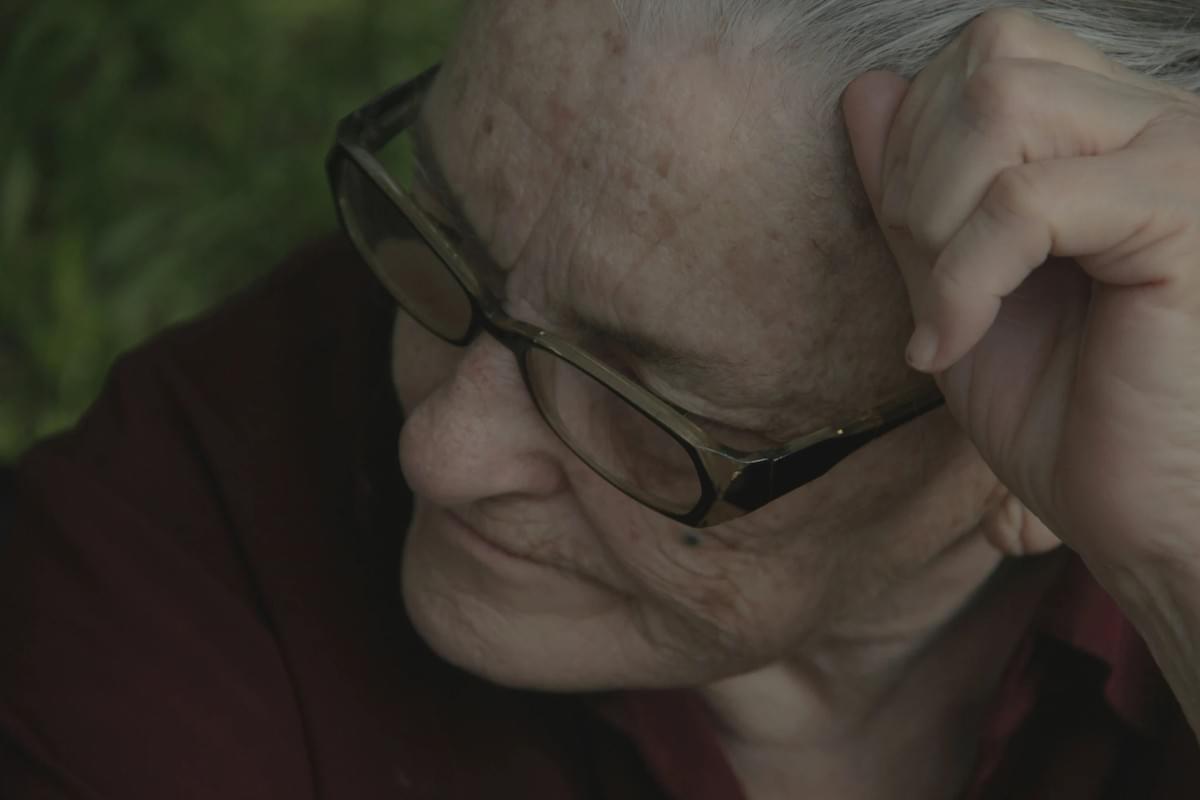
The unfortunate truth is that elder abuse and neglect happen far more often than many families realize—and it can occur anywhere: in nursing homes, assisted living facilities, or even by caregivers at home. At the Law Office of Kevin G. Little, we’ve seen firsthand how devastating these situations can be for families.
Fortunately, California law offers strong protections to help safeguard elders and dependent adults from physical harm, medical neglect, emotional trauma, financial exploitation, wrongful death, and other forms of mistreatment. With offices strategically located to serve Central California, Northern California, and Southern California, our experienced legal team is dedicated to standing up for victims and their families, ensuring they receive the justice and compensation they deserve.
Statewide Advocacy with a Local Presence
Elder abuse laws apply across the state, but holding local care facilities and corporations accountable requires local insight. We protect vulnerable seniors from our three regional hubs:
- Central California (Fresno Office): Serving families throughout the Central Valley, where we hold local nursing homes, memory care units, and assisted living facilities accountable to the region's growing community of seniors.
- Northern California (San Francisco Office): Providing robust representation for elder abuse and corporate facility neglect across the highly populated Bay Area counties.
- Southern California (San Diego Office): Protecting dependent adults and seniors throughout San Diego and the broader SoCal region against physical neglect, emotional trauma, and financial exploitation.
Whether you suspect a loved one is suffering from systemic neglect in a major corporate facility or facing immediate harm by an in-home caregiver, our regional teams are ready to step in.
Frequently Asked Questions About Elder Abuse Cases
Navigating elder abuse cases can be confusing, especially when you're worried about someone you love. If you don't know where to start, below are answers to some of the most common questions we hear from concerned families and caregivers.
What qualifies as elder abuse under California law?
Under California law — specifically the Elder Abuse and Dependent Adult Civil Protection Act (EADACPA) — elder abuse includes physical abuse, neglect, financial exploitation, abandonment, isolation, abduction, or any other treatment resulting in physical harm, pain, or mental suffering. This law protects individuals age 65 and older, as well as dependent adults who are unable to care for themselves. Abuse can occur in nursing homes, assisted living facilities, hospitals, or private residences.
What are signs of nursing home neglect?
Common signs of nursing home neglect include bedsores, malnutrition, poor hygiene, unexplained injuries, dehydration, and frequent falls. Emotional withdrawal, fearfulness, or a sudden change in behavior may also point to abuse. Further signs of elder abuse are outlined by the California Department of Aging. For a more comprehensive breakdown of resident rights and care standards under California and federal law, see the CANHR “Outline of Nursing Home Residents’ Rights”.
Can I sue a nursing home for emotional abuse?
Yes. In California, emotional or psychological abuse—such as threats, verbal harassment, humiliation, or forced isolation—is recognized as a form of elder abuse under EADACPA. A civil lawsuit may allow victims or their families to recover damages for pain and suffering, medical costs, and even punitive damages if there is evidence of intentional cruelty or neglect. Emotional abuse often happens behind closed doors, so documenting it is essential.
Who can file an elder abuse claim in California?
Elder abuse lawsuits in California can be filed by the victim, a family member, a court-appointed guardian or conservator, or the personal representative of the victim’s estate. In some cases, a survivor may also seek protection through a California Elder Abuse Restraining Order (EARO), which can prevent an abuser from contacting or approaching the victim and may offer emergency legal protections.
A knowledgeable attorney can help determine who has standing to bring the case and what legal steps are needed.
What if the victim has a condition that prevents them from speaking for themselves?
If the victim has dementia, Alzheimer’s, stroke-related impairments, or other cognitive or communication challenges, the law still protects them. A guardian, conservator, or legally authorized family member can file a claim on their behalf. Resources like Adult Protective Services (APS) and legal advocacy from elder abuse attorneys ensure these individuals are not left without protection. Even without direct testimony, medical records, photos, and staff reports can serve as powerful evidence.
Is financial exploitation considered elder abuse?
Absolutely. California defines financial exploitation—including unauthorized use of funds, coercion to sign over property, or investment scams—as a serious form of elder abuse. The State Bar of California and National Center on Elder Abuse (NCEA) offer resources on how to recognize and respond to financial abuse. Victims or their families may be entitled to recovery of stolen assets and other legal remedies.
How long do I have to file a lawsuit for elder abuse in California?
Generally, you have two years from the date the abuse was discovered (or should reasonably have been discovered) to file a civil lawsuit under California Code of Civil Procedure § 335.1. However, certain circumstances—such as government-run facilities or delayed discovery—can affect the deadline. Speak with an attorney right away to protect your rights before time runs out.
What evidence should I collect?
Effective elder abuse cases often rely on:
- Photographs of injuries or living conditions
- Medical records and care facility logs
- Witness statements
- Financial records (for suspected theft)
- Emails, texts, or voicemails
- Surveillance footage, if available
The more thorough your documentation, the stronger your legal case will be.
Resources
If you or a loved one is facing elder abuse or neglect, it is vital to know where to turn for support, reporting, and legal assistance. Below is a list of key government and nonprofit resources dedicated to safeguarding seniors and dependent adults across Central, Northern, and Southern California.
Handles abuse, neglect, and exploitation reports for elders and dependent adults in every California county.
Manages complaints and investigates violations in nursing homes and licensed care facilities statewide.
Investigates serious elder abuse crimes, corporate institutional neglect, and Medi-Cal fraud.
Compare elder care facilities’ quality and ratings nationwide.
Connects elders and families to local, community-based support services in their area.
Offers advocate services, legal assistance, and vital resources on nursing home abuse throughout California.
Ready to Take the Next Step?
Have more questions or think you might have a case?
Reach out using the form above, give us a call, or visit one of our two locations. We're ready to listen.
1225 East Divisadero Street
Fresno, California 93721Mon - Fri: 8:30 AM–5 PM
Sat - Sun: Closed(559) 342-5800945 Market Street, Suite 501
San Francisco, CA 94103Mon - Fri: 8:30 AM–5 PM
Sat - Sun: Closed(415) 287-9800400 West A Street, Suite 200
San Diego, CA 92101Mon - Fri: 8:30 AM–5 PM
Sat - Sun: Closed(858) 461-7100

Fresno Office
1225 East Divisadero St
Fresno, CA 93721
Tel.: (559) 342--5800
Se Habla Español
San Francisco Office
945 Market Street, Suite 501
San Francisco, CA 94103
Tel.: (415) 287-9800
Se Habla Español
San Diego Office
400 West A Street, Suite 200
San Diego, CA 92101
Tel: (858) 461-7100
Se Habla Español
Copyright © 2025 Law Office of Kevin G. Little
Accessing this site, reading content, or submitting an inquiry does not create an attorney-client relationship. All information provided-- whether on blog posts, practice pages, or through our intake form-- is for general informational purposes only and is not legal advice. For specific guidance to your situation, contact a licensed attorney. The Law Office of Kevin G. Little is licensed to practice law in California. This website is attorney advertising.
We are committed to making our website accessible to all users. If you experience any difficulty accessing content, please contact us.
